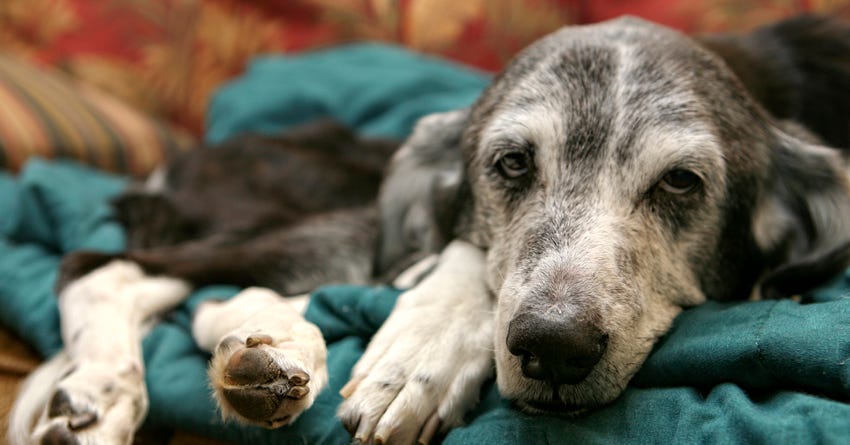
Many people believe a 1-year-old dog is equivalent to a 7-year-old human. This is a simplification and not entirely accurate. An 11-year-old dog’s age in human years is roughly 60 to 86, depending on factors like breed and size. While this might seem surprising, remember that dogs have shorter lifespans than humans. The oldest recorded dog lived to 31, while the oldest human lived to over 117. Age, however, provides a relatable metric. It can help explain why a 1-year-old dog behaves like a teenager—because developmentally, they are!
| Size: | 11-Year-Old Dog’s Age in Human Years: |
|---|---|
| Small breed (<20 pounds or less) | 60 years |
| Medium breed (21 to 50 pounds) | 65 years |
| Large breed (51 to 100 pounds) | 72 years |
| Giant breed (100+ pounds) | 86 years |
How to Calculate Dog Years to Human Years
The simple 7-year rule doesn’t hold up under scrutiny. Dogs reach sexual maturity between 1 and 2 years old, unlike humans. Breed also plays a significant role, as smaller breeds tend to live longer than larger breeds. Studies suggest larger dogs age faster, contributing to lifespan differences. A linear calculation isn’t accurate. Researchers at the University of California San Diego developed an algorithm for a more precise assessment, considering a dog’s size and its impact on lifespan.
What’s the Science Behind Dog vs. Human Years?
The lifespan disparity between small and large dogs is quantifiable. Scientists estimate one less month of life expectancy for every 4.4 pounds of body mass. This may be linked to the over-expression of IGF-1, a growth hormone, in larger dogs. Research is exploring this connection, hoping to develop drugs to extend dog longevity. Numerous factors influence aging, including genetics, diet, habits, and environmental conditions. Epigenetics, the study of phenotype changes not involving DNA sequence alterations, explores how gene expression affects health and longevity. Inbreeding, a practice in modern dog breeding for the past 160 years, has fixed certain traits, both positive and negative, within dog DNA. This can increase the likelihood of specific health conditions, impacting lifespan. Brachycephalic breeds, like French Bulldogs and Pugs, exemplify this. Their short muzzles, while aesthetically pleasing, increase the risk of heatstroke, exercise intolerance, and brachycephalic obstructive airway syndrome (BOAS). This complicates the comparison of dog and human years and challenges existing algorithms that don’t account for breed.
Data limitations hinder the advancement of this research. Scientists require large datasets from sources like veterinary hospitals, breed club surveys, and pet insurers. Pet insurance data, however, represents a small fraction of the dog population. Thus, current findings offer general conclusions, not breed-specific or individual dog information. Current calculators don’t account for environmental factors affecting a dog’s age and its human equivalent.
The Life Stages of a Dog
All dogs experience four life stages: puppy, young adult, mature adult, and senior. The duration of each stage varies based on breed and other biological factors. Spaying or neutering can also influence life stages and lifespan.
Life Span by Breed Size
| Size: | Average life span: |
|---|---|
| Small breed (<20 pounds or less) | 12–15 years |
| Medium breed (21 to 50 pounds) | 10–13 years |
| Large breed (51 to 100 pounds) | 8–12 years |
| Giant breed (100+ pounds) | 8–10 years |
Key Factors That Affect the Dog’s Aging Process
While size correlates with lifespan, genetics, diet, habits, and environment significantly influence a dog’s longevity. Early socialization reduces fear-based aggression in adulthood, which can lead to relinquishment. Responsible breeding practices, including health screenings and DNA testing, are crucial. Breeders should prioritize health over potentially harmful physical traits. Owners contribute to a dog’s well-being through proper diet, exercise, training, socialization, and mental stimulation.
Conclusion
Calculating a dog’s age in human years is complex. The 7-year rule is an oversimplification. Numerous factors, especially quality of life, influence a dog’s aging process. Ultimately, providing the best possible care is paramount for a dog’s well-being and longevity.