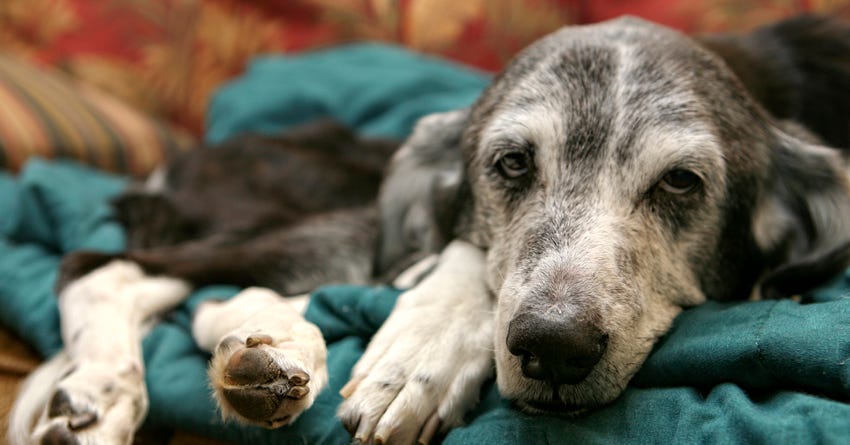
When you’re menstruating, your body undergoes hormonal fluctuations that can manifest in various ways, from fatigue and cramps to mood swings. These changes can be subtle to us, but can dogs, with their powerful senses, detect them? The answer is likely yes. Dogs can smell menstrual blood and perceive changes in your body’s scent, indicating that most dogs can probably tell when a woman is on her period. While anecdotal evidence supports this, scientific research is still lacking. This heightened awareness can lead to changes in your dog’s behavior, such as increased sniffing or a desire for more cuddles and closeness.
Dogs possess an incredibly keen sense of smell, far surpassing that of humans. They are particularly adept at detecting blood, with some highly trained scent dogs even outperforming advanced scientific equipment in identifying trace amounts of blood on surfaces, even after repeated washing. Therefore, it’s not difficult for them to detect menstrual blood.
Hormonal changes during menstruation can also affect a woman’s scent. While scientific studies haven’t definitively confirmed a dog’s ability to detect these hormonal shifts, anecdotal reports from dog owners suggest that their canine companions can sense menstruation, ovulation, and even pregnancy. While dogs may perceive these changes, whether it’s through scent or behavioral cues remains unclear.
Dogs are also attuned to human emotions. If your period leaves you feeling unwell or experiencing painful cramps, your dog can likely sense these psychological changes. This empathy is one reason why dogs excel as therapy animals and make such wonderful companions. They seem to instinctively know when we need extra affection and are often happy to provide it.
Beyond scent and hormonal changes, dogs can also detect shifts in your emotions. If your period leaves you feeling unwell or experiencing painful cramps, your dog will likely pick up on these psychological changes. This sensitivity is one reason why dogs excel as therapy animals and make such wonderful companions. They seem to instinctively know when we need extra affection and are often happy to provide it.
When dogs perceive these changes, whether through scent, hormones, or behavior, they often exhibit different behaviors. These changes can manifest in several ways, including comforting behavior. Dogs are our companions and often considered our best friends because they seem to instinctively know when we need attention and affection. This may be particularly true when you’re on your period. You might notice your dog curling up on your lap more often, offering more kisses and gentle nudges, or simply checking in on you more frequently.
Another behavioral change is excessive sniffing. If your dog can smell your period, they might be inclined to investigate the source of the scent, primarily out of curiosity. This sniffing behavior can also be triggered by other factors, such as food crumbs or the lingering smell of something you’ve eaten.
Licking is another way dogs demonstrate affection. It’s an instinctive action mimicking the comfort they received as puppies when their mothers licked them. If your dog senses that you’re feeling down or in pain, they might lick you more as a way of showing they care.
Finally, your dog might exhibit increased neediness. When your dog detects a change in your hormones, they might behave differently around you. This could manifest as increased attentiveness or even clinginess. Your dog is likely trying to comfort and support you, seeking more cuddles and petting.
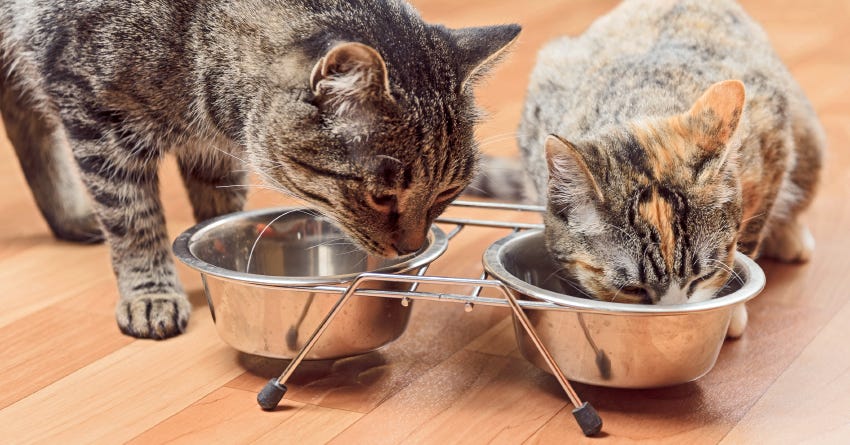
Similar to dogs, cats also possess a highly sensitive sense of smell. Many cat owners report that their feline companions can also detect when they are menstruating. Some cats may become more clingy or needy, showing increased attention, while others remain indifferent to the changes, exhibiting no noticeable shift in behavior.
Whether other animals react differently to menstruation depends primarily on their sense of smell and their response to scent changes. Rats and other rodents, known for their keen sense of smell, might react differently if they detect changes in the scent of the person handling them. Birds, on the other hand, have varying olfactory abilities depending on the species, and their reactions can differ accordingly.
In conclusion, dogs are highly attentive and attuned to our emotions, perceiving the world primarily through their senses of smell and hearing. They can detect subtle changes in our body scent, including menstrual blood. This heightened awareness can lead to changes in your dog’s behavior during your period, such as increased neediness, comforting behaviors, and a greater tendency to sniff and lick. While these changes are generally nothing to worry about, you can gently discourage excessive sniffing while enjoying the extra cuddles and companionship your dog offers.